
- calendar_today April 22, 2026
Massachusetts Retail Showdown: Home Depot vs. Local Competitors
In the heart of Massachusetts, retail giants clash with local favorites as home improvement enthusiasts pick their preferred shopping spots. In this competitive landscape, Home Depot leverages its vast resources and branding prowess to maintain its edge. But how does it really stack up against local competitors? We’ll delve into Home Depot’s market strategies and compare them with those of local players, shedding light on how each approaches pricing, customer service, inventory, and community involvement.
The Landscape of Home Improvement Retail in Massachusetts
Home improvement retail is a booming industry in Massachusetts, fueled by a steady influx of new homeowners, renovation projects, and DIY enthusiasts looking to enhance their living spaces. According to recent statistics, the home improvement industry in Massachusetts alone is valued at over $10 billion annually. This creates a vibrant battleground for major retailers like Home Depot and smaller, local businesses.
Home Depot’s Market Dominance
Home Depot, as the largest home improvement retailer in the U.S., commands a significant share of the market. Key strategies that bolster its dominance include:
- Extensive Product Range: Home Depot offers a vast selection of products, from lumber to appliances. Customers appreciate the convenience of finding everything under one roof.
- National Brand Recognition: The brand’s image as a reliable home improvement resource gives it a strong advantage. Many customers will choose Home Depot out of habit and trust.
- Competitive Pricing: With economies of scale, Home Depot can offer lower prices than many local competitors, making it an appealing option for budget-conscious consumers.
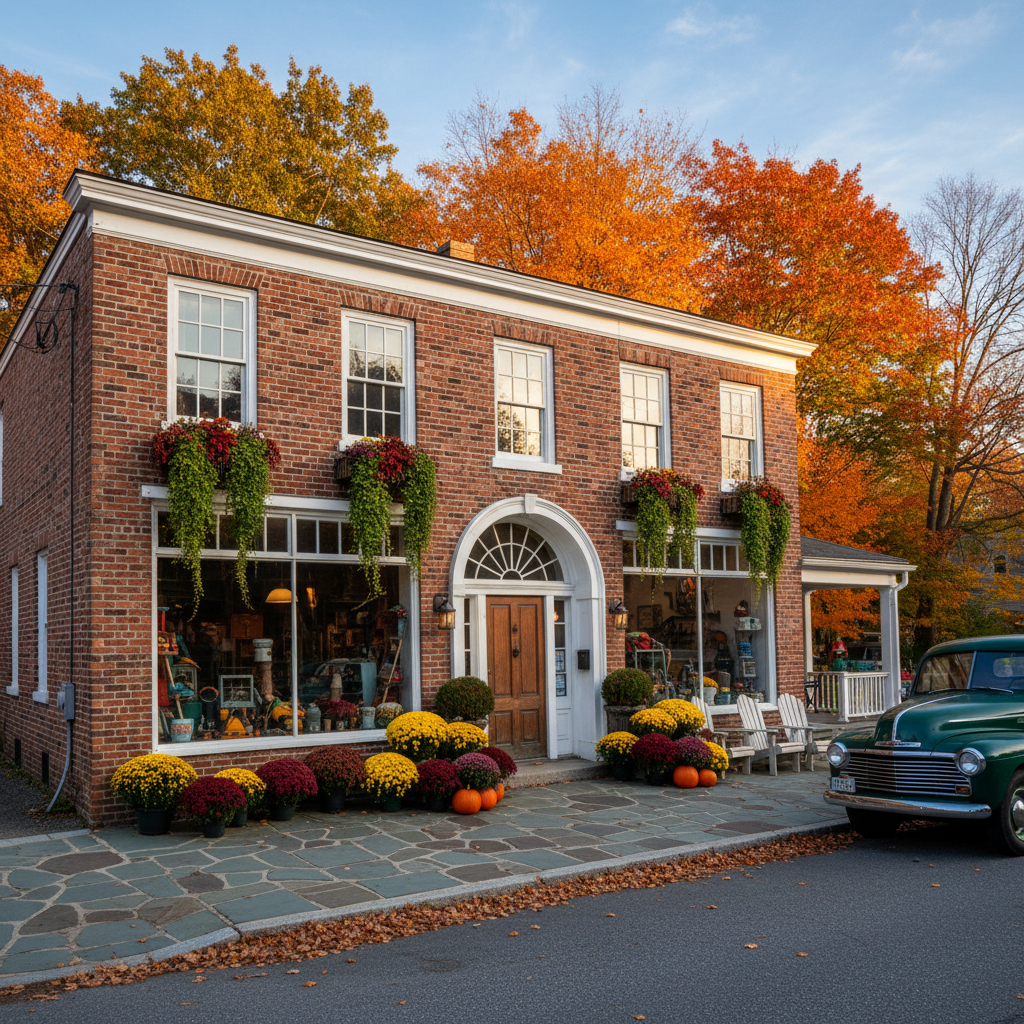
Local Competitors: The Power of Community
While Home Depot has the advantage of size, local competitors like Ace Hardware and local lumber yards capitalize on niche markets and personalized customer service. These local players adopt strategies such as:
- Community Engagement: Local businesses build relationships with their communities, often sponsoring local events or charity drives.
- Specialized Knowledge: Staff members at local stores often have deeper expertise in certain products, providing valuable personalized service that resonates with customers.
- Unique Product Offerings: Smaller retailers often focus on eco-friendly or locally sourced products, appealing to a growing customer base concerned about sustainability.
Pricing Strategies: The Cost of Competition
Price is a fundamental factor that influences consumer decision-making. Home Depot’s pricing tactics involve aggressive discounts and loyalty programs. For instance, their volume pricing allows them to pass savings onto consumers, thereby attracting bulk shoppers and contractors.
On the other hand, local competitors often implement more flexible pricing strategies. They may not always match Home Depot’s prices, but they offer value through customer-centered services, loyalty programs, or even price matching on key items. Being small allows them flexibility that Home Depot might not have due to its corporate structure.
Customer Experience: The Heart of Retail
When considering where to shop, customer experience can make or break a retail relationship. Home Depot invests heavily in technology to enhance customer interactions, such as their mobile app that allows for easy inventory checks and online ordering.
However, local competitors pride themselves on personalized service that makes customers feel valued. For instance, a recent survey revealed that 85% of customers prefer local stores for help and advice when embarking on home improvement projects. Using friendly, knowledgeable staff who provide tailored recommendations can create a significant competitive edge.
Inventory and Availability: Meeting Customer Demand
In the fast-paced retail environment, inventory management is crucial. Home Depot maintains vast warehouses and distribution networks that ensure product availability. This capacity allows them to stock a wide range of items and handle large-scale projects effectively.
Local competitors often grapple with inventory limitations, but they counter this by focusing on niche markets or specific customer needs. Many local stores offer special order options that allow customers to access unique products not typically found in big-box stores.
Community Involvement: Building Trust and Loyalty
In Massachusetts, community matters. Home Depot engages in various community projects and initiatives, albeit on a larger scale. Their corporate programs target disaster relief, and often sponsor major events, increasing public visibility and brand loyalty.
Conversely, local businesses thrive on their local involvement. A DIY store in Cambridge might host workshops, helping customers learn new skills while fostering a sense of community. These relationships build trust, which is invaluable in retail.
The Future of Retail in Massachusetts
The retail landscape in Massachusetts continues to evolve. With technological advancements and changing consumer preferences, Home Depot and local competitors must adapt to win over customers. The challenge lies in balancing effective strategies while fostering genuine connections with their communities.
As customers seek convenience along with personalized service, the question remains: can Home Depot maintain its edge against local businesses that prioritize community and customer experience? The answer lies in how well each entity communicates its values and responds to customer needs in a rapidly changing market.
Conclusion: The Final Takeaway
In the showdown between Home Depot and local competitors in Massachusetts, both sides have their strengths and vulnerabilities. Home Depot capitalizes on its resources and extensive product range, while local stores leverage community ties and personalized service. Understanding these dynamics not only helps you navigate your home improvement needs but also encourages support for local businesses that contribute to the fabric of your community.
As you embark on your next project, consider what matters most to you—whether it’s price, service, or community impact. Your choices as a consumer hold immense power in shaping the future of retail in Massachusetts.