
- calendar_today June 14, 2026
AMHERST, Mass. — The University of Massachusetts Amherst has secured a $500,000 grant from the Healey-Driscoll administration to enhance wetland carbon data and inform conservation across Massachusetts.
Expanding Wetland Carbon Data for Massachusetts
The funding will allow the Massachusetts Geological Survey at UMass Amherst to develop comprehensive carbon baseline datasets for various wetland resource areas. The grant is a strategic investment to address gaps in measurable carbon absorption and release data, with a focus on both natural and managed wetlands throughout the state.
Collaboration to Improve Carbon Baseline Accuracy
This initiative is led by Dr. Jin Ho Lee, who underscores the need for accurate carbon baseline data to capture the diversity found in Massachusetts wetlands. Current approaches often overlook the distinct carbon storage capacities among wetland types, which can lead to less-informed policy and management decisions. Through comprehensive carbon measurement, researchers aim to refine decision-making for conservation planning and resource allocation.
Building on Past Research and New Partnerships
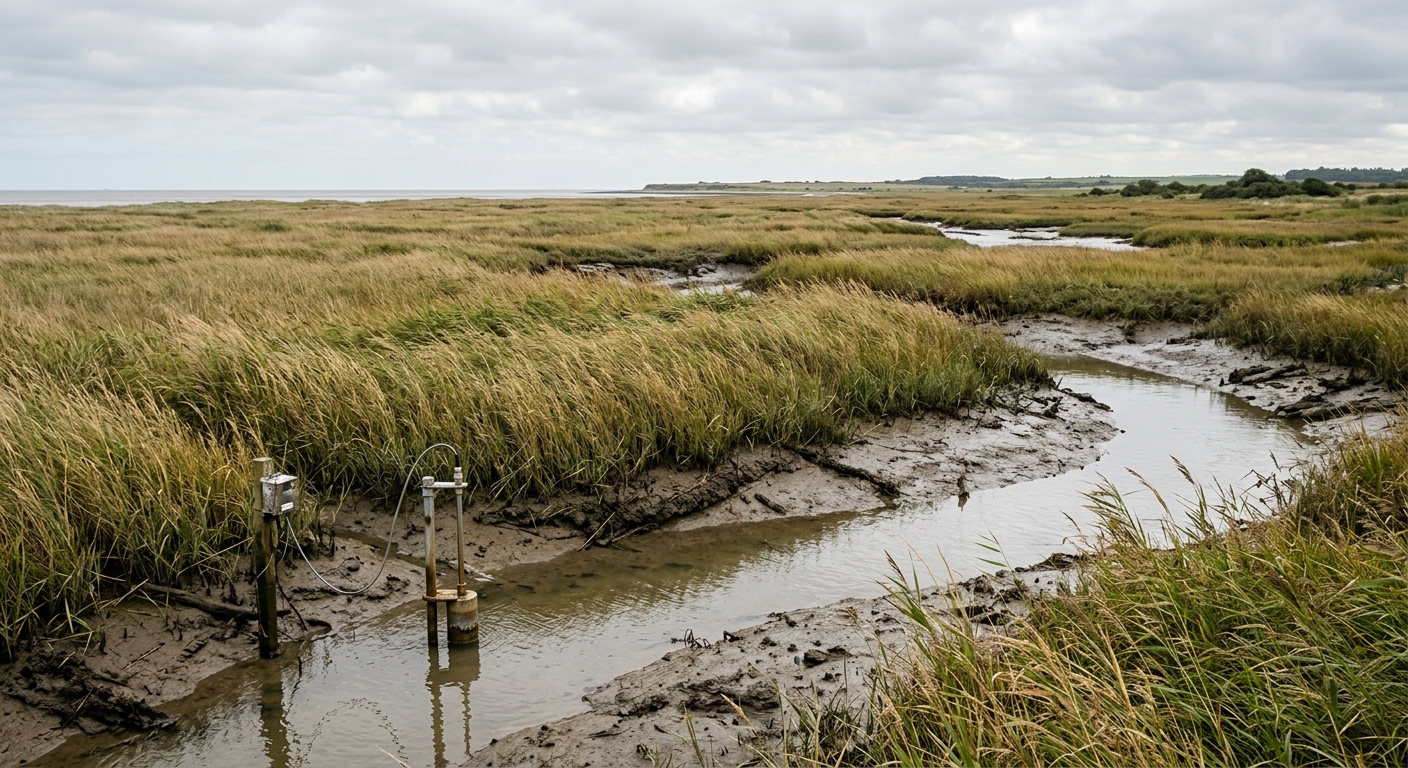
The project will utilize previous research centered on tidal wetlands and salt marshes, integrating those findings into statewide predictive tools and baselines. Notably, the effort brings together experts from UMass Amherst and Boston University who are at the forefront of greenhouse gas exchange studies. By combining skill sets in freshwater and coastal systems, the project team intends to create reliable and adaptable tools for tracking carbon flux in wetlands ranging from forests and marshes to managed cranberry bogs.
Enhancing Wetland Conservation and Restoration Efforts
With more precise carbon storage data, state agencies and environmental organizations will be better equipped to prioritize wetland conservation and restoration projects. Bonnie Heiple, Commissioner of the Massachusetts Department of Environmental Protection (MassDEP), emphasized the importance of these efforts, noting that updated data will strengthen the state’s ability to invest wisely in wetland restoration and protection initiatives.
Driving Climate Change Mitigation Statewide
Wetlands play a crucial role in sequestering carbon and mitigating climate change by regulating carbon flux at the landscape level. Accurate state-specific wetland carbon data will aid policy makers in crafting effective climate strategies, especially as they address greenhouse gas targets and ecosystem resilience. The study’s focus on wide-ranging wetland types—from tidal marshes to cranberry bogs—ensures that models reflect the true complexity and value of Massachusetts’ wetland ecosystems.
Future Impacts for the Massachusetts Community
As the project progresses, Massachusetts communities can expect access to robust, science-based information to guide local and regional initiatives. The integration of greenhouse gas exchange metrics with ecological and hydrological assessments will foster informed decisions for land use, climate adaptation, and resource management. This initiative signals a deepened commitment to safeguarding wetlands, which are vital assets for biodiversity, climate resilience, and public health across the Commonwealth.