
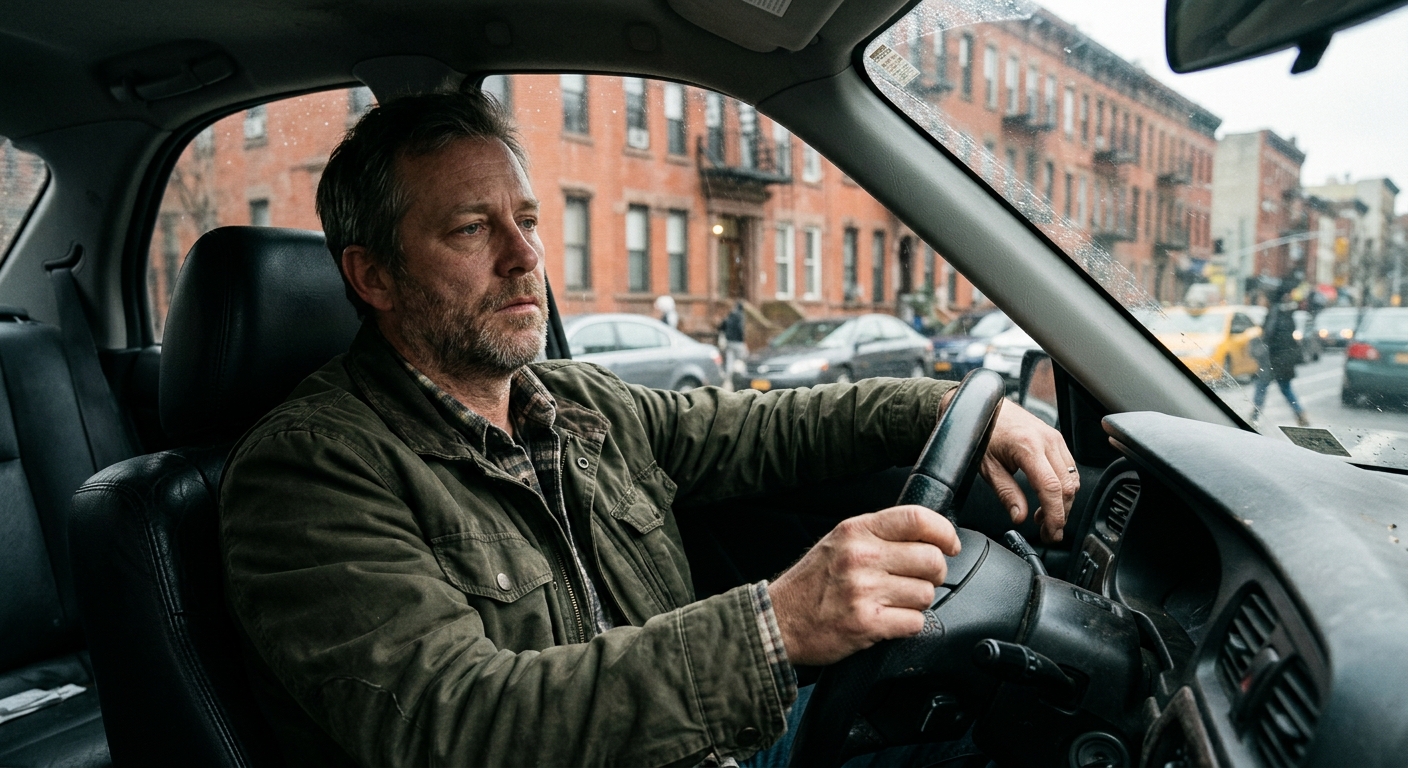
AI-generated illustration; not a photograph of the reported event.
- calendar_today June 15, 2026
Massachusetts — As Massachusetts continues to rely on rideshare services, the life of an Uber driver operating between Worcester and Boston offers an unvarnished look at the realities behind the wheel.
Long Days, Shrinking Paychecks
Chiem, a 41-year-old veteran Uber driver, splits his time between Worcester and the bustling streets of Boston. After a decade on the road, Chiem reports a pre-expense annual uber driver salary of $70,000. However, faced with mounting driver expenses totaling roughly $40,000 a year—much of it consumed by a $2,200 monthly car payment, persistent maintenance, and surging gas prices—he’s keenly aware of the narrowing financial margin.
Economic Pressures of Rideshare Work
For countless rideshare drivers in Massachusetts, including those with years of experience, the past decade has brought a series of economic challenges. Chiem notes that the industry’s pay structure continues to shift unfavorably for drivers like him. While he once brought in $300 to $400 a day, he now earns closer to $200 per day despite working up to 12 hours on the road. This change highlights the volatility of uber driver pay and brings renewed focus to the issue of declining uber driver income in the region.
The Physical and Financial Toll
The commitment required to maintain a living as a rideshare driver extends well beyond the long shifts. Chiem’s account reveals the wear and tear that extended uber driver hours can impose on both vehicles and people. Extended daily shifts, traffic congestion, and the physical toll of constant alertness add layers of difficulty. The pressure of high expenses—especially given the region’s steep cost of living—makes it even harder for drivers to get ahead.
Housing: Out of Reach for Many Drivers
Affordable housing remains a persistent obstacle for many in the Massachusetts rideshare industry. Chiem notes that, even with low rent arrangements in Worcester, he cannot afford to live in Boston itself. The area’s elevated living costs underscore the broader economic disparities faced by many who serve the city.
The Role of Community Advocacy
Despite the challenges, drivers like Chiem are not sitting idle. He is an outspoken supporter of the newly formed driver union and the state’s broader rideshare union movement. The Massachusetts App Drivers Union aims to push for improved working conditions, increased transparency on fares, and stronger protections for drivers. This collective bargaining effort has begun to shape the conversation around rideshare work and could signal meaningful changes for drivers from Western Massachusetts to Boston.
Supporting Family and Facing Adversity
Many rideshare professionals, like Chiem, take on their work not only for personal financial reasons but for familial responsibilities. In addition to making ends meet locally, Chiem sends support overseas to Cambodia and cares for a nephew suffering from Huntington’s disease. These added responsibilities further reveal the resilience and dedication common among uber driver communities in the region.
Looking Ahead for Rideshare Drivers in Massachusetts
The realities faced by Chiem echo the wider stories of uber driver challenges across urban New England. Diminishing fares, increasing expenses, and unaffordable rents highlight why many Massachusetts residents are calling for policy solutions and industry reform. As drivers continue to advocate through unions and community action, the future of rideshare work may yet see positive change in Boston and beyond.
Key Takeaways for Massachusetts Rideshare Industry
Chiem’s experiences reflect the need for continued dialogue among city leaders, rideshare platforms, and drivers. As the uber driver boston workforce advocates for fairer compensation and improved working conditions, the conversation about how this industry shapes daily life in Massachusetts becomes ever more urgent. Local reforms and robust community organizations remain vital in ensuring a sustainable future for those committed to keeping the region moving.