
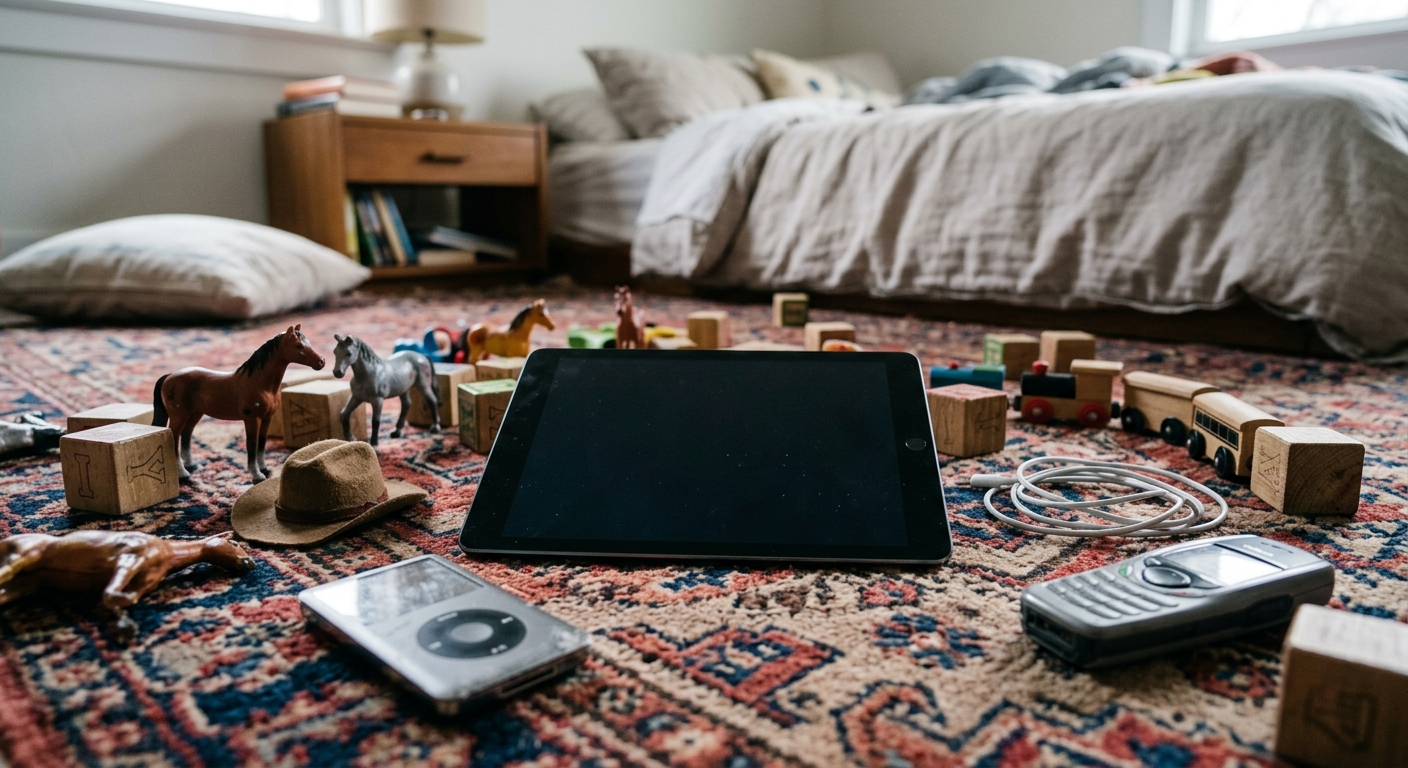
AI-generated illustration; not a photograph of the reported event.
- calendar_today June 19, 2026
Toy Story 5 Tackles Digital Age Themes in Massachusetts
The much-anticipated toy story 5 makes its debut, placing Massachusetts audiences at the heart of a poignant narrative that addresses modern challenges in children’s play. Directed by andrew stanton, this latest pixar sequel weaves classic charm with timely reflections on screen addiction, resonating with families and educators across the region.
Exploring Bonnie’s World: Analog Toys Versus Technology
This chapter centers on Jessie, who faces new hurdles as Bonnie, her young owner, becomes engrossed in a Lilypad tablet designed for school connectivity. As Bonnie’s screen time increases, her cherished toys—affectionately known as the bonnie toys—struggle to remain a meaningful part of her daily life. The story skillfully dramatizes the evolving landscape of children’s play, contrasting the tactile joy of analog toys with the allure of digital technology.
Imaginative Play Comes to Life
Massachusetts families will find the film’s depiction of imaginative play particularly powerful. The animation shifts in style to mirror the nuances of Bonnie’s creativity, showcasing the enduring impact of unstructured play and social interaction amid growing digital distractions. The movie’s emotional core urges local parents and caregivers to reflect on balancing digital tools with the vital experiences offered by real-world toys and friendships.
A Cast of Nostalgic Gadgets Adds Humor and Heart
Adding flavor to the ensemble are a group of retired tech gadgets, brought to life with witty performances from voice actors like Conan O’Brien. These characters inject both levity and nostalgia into the animated film, playfully referencing bygone eras of children’s play familiar to Massachusetts residents. Their presence highlights how every generation carries its own relationship to technology and toys, sparking conversations between parents and children after the credits roll.
Navigating an Expansive Cast
While the inclusion of new and returning figures breathes excitement into the film, critics note that the abundance of lesser-developed bonnie toys can slightly dilute the primary narrative focus. Nevertheless, the story remains anchored in Jessie’s journey and Bonnie’s transition between worlds—one rooted in tactile, interactive play, and another steeped in digital engagement.
Balanced Message on Technology and Childhood
Toy story 5 stands out in the Pixar lineup by embracing nuance. Rather than portraying screen addiction as an all-consuming villain, the film recognizes the opportunities and challenges brought by digital technology. It gently cautions against using screens as mere pacifiers, while championing the irreplaceable value of creativity and real connection. This balanced viewpoint aligns with ongoing discussions in Massachusetts communities, particularly among educators and healthcare professionals concerned about technology’s impact on youth.
Regional Relevance: A Message for Massachusetts Families
The film’s themes resonate especially in Massachusetts, a region known for its educational innovation and commitment to child development. Local schools and libraries have launched initiatives to encourage imaginative play and reduce excessive screen time, echoing the core messages presented by this pixar sequel. For local audiences, toy story 5 is not merely an animated film—it serves as a cultural touchstone, sparking conversations about how families and communities can best support well-rounded childhoods in the digital era.
Critical Reception and Lasting Impact
Reception to toy story 5 in early screenings has largely been positive, with movie review writers emphasizing its honest, emotional approach to contemporary issues. Many consider it an improvement over its predecessor, highlighting its thoughtful perspective and strong storytelling. The film not only entertains but also invites important discussion about technology, nostalgia, and community for children and adults alike throughout Massachusetts.